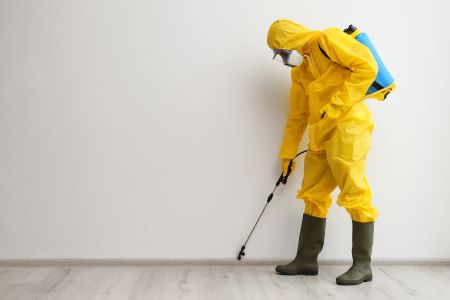
Infestations can be a substantial nuisance, entering our homes and disrupting our daily lives. From the tiny ant trails marching across the kitchen floor to the alarming appearance of bed bugs in our bedding, these typical household pests not only bring discomfort but can also constitute serious health risks and damage to our property. Understanding the life cycle of these pests is vital in controlling and preventing infestations efficiently.
In this article, we will investigate various elements of pest control, providing information into recognizing the signs that professional help is needed, how to select the right pest control company, and the importance of regular inspections. We will also examine the distinctions between DIY methods and professional solutions, highlighting the advantages of preventative pest control and periodic awareness of pest activity. With the proper knowledge and approach, you can protect your home from undesired invaders and ensure a safe, healthy living setting.
Recognizing Infestation Issues
Identifying pest problems early is important for efficient control and prevention. One of the major signs that you need expert pest control is the existence of droppings. Mouse droppings, for example, can often be found in hidden corners, under sinks, or along walls. Similarly, the sight of leftover insect exoskeletons or nests signals infestations that require immediate attention. If you detect a sudden increase in chewing marks, odd sounds at night, or musty odors, these could be signs of a serious pest issue.
Another important indicator is damage to your home and belongings. Chew marks on furniture or wiring, as well as holes in walls, can point to a rodent problem, while stains or tiny holes in fabric and materials may signal fabric pests like moths or bed bugs. If you detect structural damage around wood fixtures, termites could be the culprit. Quick recognition of these issues can help lessen further damage and save costs related to repairs.
Behavioral pets can also notify you to a pest problem. If your dog or cat suddenly becomes focused on a particular spot, or if they exhibit signs of discomfort, it could indicate the presence of pests such as fleas or rodents. Monitoring your living environment closely—coupled with awareness of the signs mentioned—can help guarantee that possible infestations are dealt with swiftly and effectively.
Selecting Professional Assistance
Whenever you discover yourself facing a pest situation that seems overwhelming, looking for specialized support is frequently the most effective solution. Pest control experts have the training and background to determine the particular type of infestation and formulate an appropriate treatment plan customized to address your concerns. They are familiar with the life cycles and habits of common pests, allowing them to focus on the root of the problem rather than just addressing the surface issues. This experience can save you time and reduce the risk of ongoing pest issues.
As you selecting a pest control provider, it's important to evaluate a few key elements. Seek out a provider with a good reputation in your community, favorable reviews from former clients, and complete services. Verify that the service is authorized and insured, as these qualifications indicate a commitment to industry practices. Don't hesitate to ask about their expertise with the particular pest problem and the techniques they use, especially if you would like eco-friendly options.
Finally, a reliable pest control provider will provide not only solutions but also preventative strategies to ensure pests at bay in the future. They should be ready to talk about follow-up visits and inspections, as regular maintenance is key in stopping future problems. By committing in expert pest control, you can safeguard your property and comfort, being assured that the job is being handled by competent individuals who prioritize your safety and happiness.
Preventive Measures and Best Techniques
Averting pest invasions starts with upkeeping cleanliness in and around your home. Consistently vacuuming, wiping down https://newton-kincaid-2.thoughtlanes.net/proactive-pest-control-keeping-your-home-secure , and getting rid of food waste properly can significantly reduce the likelihood of attracting pests. Keeping your kitchen, pantry, and dining areas tidy will deter rodents and insects, which are often attracted to crumbs and spills. Additionally, ensure that all food is stored in airtight containers to eliminate simple access for pests.
Another essential step in pest control is sealing any possible entry points. Inspect official source for gaps around windows, doors, and foundation cracks where pests can come in. Using weather stripping, caulk, and screens can close these access points efficiently. Furthermore, maintaining your yard by trimming overgrown plants, keeping firewood stacked off the ground, and removing standing water can help limit the habitats where pests flourish.
Lastly, routine inspections play a vital role in catching potential pest issues early. Scheduling regular checks with a professional pest control service allows for the detection of minor problems before they escalate into serious infestations. Implementing prophylactic treatments, especially during seasonal changes when pests are most prevalent, can provide an additional layer of protection. By adopting these effective practices, you can create an inhospitable environment for pests and ensure your home remains a secure and healthy space.